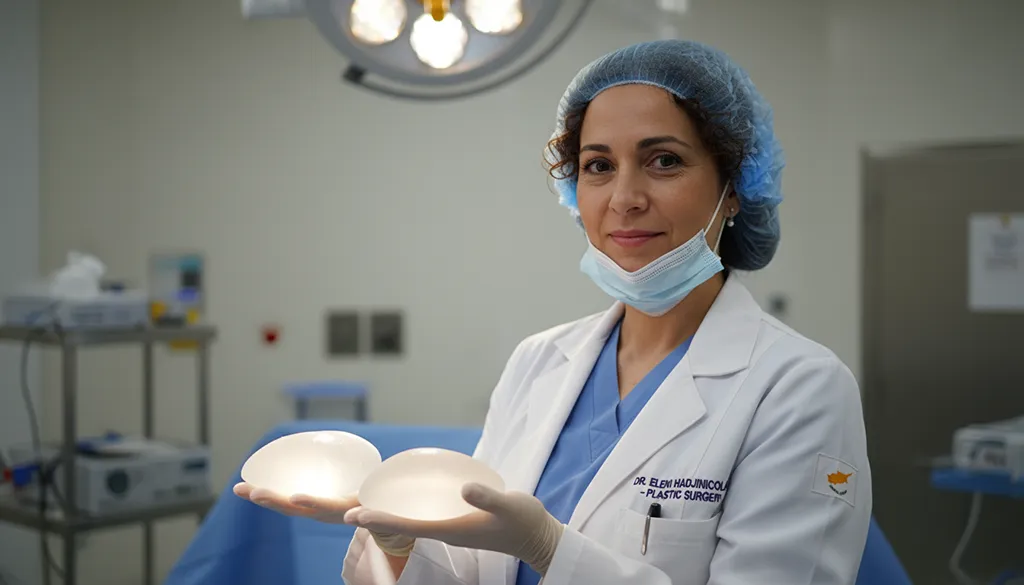
Also known as breast enlargement, breast implants or augmentation mammaplasty, breast augmentation surgery restores or increases breast size using silicone gel or saline implants. Being one of the most popular and frequently performed cosmetic surgery procedures, breast augmentation has a long, safe and successful track record in satisfying women who wish to enhance, regain or restore balance to their figures.
- The best type of surgery for you
- The type of implant and incision location that will best accommodate your needs.
- Your optimal breast size for your body shape and size
- Factors that influence the size and type of breast augmentation recommended for you include:
- Your medical history
- Your goals for breast enhancement
- Your existing body frame and mass
- Your existing breast tissue
- Your preferences related to size and incision placement.
The goal of our aesthetic plastic surgeon and staff is to help you achieve the best results and to make your surgical experience as easy, safe and comfortable as possible.
The Procedure:
General anesthesia is commonly used during your breast augmentation procedure, although local anesthesia or intravenous sedation may be desirable in some instances.
For your safety during the surgery, various monitors will be used to check your heart, blood pressure, pulse and the amount of oxygen circulating in your blood. Your surgeon will follow the surgical plan discussed with you before surgery.
During breast augmentation your surgeon makes an incision, lifts the breast tissue, creates a pocket in the chest/breast area and places an implant in this pocket.
Incision and Placement Options:
Multiple factors, including your anatomy and your surgeon’s recommendations, will determine how your breast implant is inserted and positioned. The implant is placed in a pocket either:
- Underneath the pectoral muscle, which is located between the breast tissue and chest wall.
- Underneath the breast tissue and on top of the pectoral muscle.
Placement of the implant underneath the pectoral muscle may interfere less with mammograms and breast-feeding. Your plastic surgeon will discuss this with you.
An incision can be made in one of four places:
- Inframammary: Underneath the breast, just above the crease
- Periareolar: Around the lower edge of the areola (the dark area surrounding the nipple)
- Transaxillary: Near the armpit, where the arm meets the chest area
The following implant options are available, depending on your medical history, body shape and aesthetic goals.
- Saline-filled breast implants are filled with sterile salt water. They may be prefilled at a predetermined size or filled at the time of surgery to allow for minor modifications in implant size.
- Silicone-filled breast implants are filled with soft, elastic gel and are available in a variety of shapes. All silicone breast implants are pre-filled and may require a longer incision for implant placement.
- Cohesive gel silicone implants, also known “form stable” implants, are filled with a cohesive gel, made of cross linked molecules of silicone, which makes them a bit thicker and firmer than traditional silicone implants. This enables them to hold their shape better.
Your plastic surgeon may combine any of these breast augmentation options with a breast lift if there is any sagging or drooping of your breasts.
Following insertion and placement of breast implants, your surgeon will use sutures to close the surgical incisions. Many plastic surgeons will wrap your chest area with a gauze bandage or a surgical compression bra to provide support and assist with healing.
After your procedure is completed, you will be taken into a recovery area, where you will continue to be closely monitored. Occasionally, drainage tubes may be used for a short time following surgery.
The procedure normally takes between 90-120 minutes.
- If you want a better proportioned or more appealing figure
- To restore symmetry if one of your breasts is smaller than the other
- When weight loss, pregnancy or aging has affected the size and shape of your breasts
- You feel self-conscious wearing a swimsuit or form-fitting or low-cut tops.
If you are in good health, have a positive attitude and realistic expectations, you are most likely a good candidate for this procedure.